What to Expect After You're Eligible for Regional Center Services
Receiving notice that you or your loved one is eligible for Regional Center services is an important milestone. While it's exciting, it's also common to feel overwhelmed by all the new information, terminology, and decisions ahead.
At New Beginnings for Exceptional People, we know that beginning this journey can raise just as many questions as it answers. What happens next? Who will help you? What services are available? And how do you know where to begin?
The good news is that you won't be navigating this process alone. California's Regional Center system is designed to provide guidance, resources, and support every step of the way.
Your Service Coordinator Is Your Partner
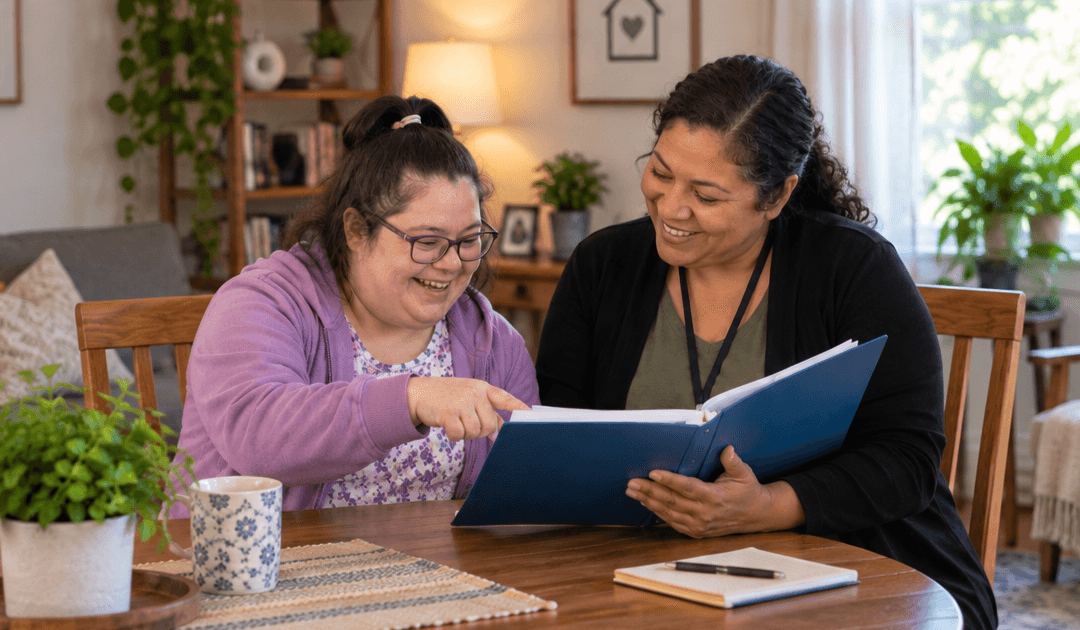
One of the first and most important people you'll meet is your Service Coordinator (SC).
Think of your Service Coordinator as your primary guide through the Regional Center system. They are your main point of contact and work alongside you to understand your goals, answer questions, connect you with resources, and coordinate services.
Your Service Coordinator can help you:
- Understand available services and supports
- Connect with community resources
- Develop your Individual Program Plan (IPP)
- Coordinate referrals to service providers
- Attend important meetings, such as school IEP meetings when appropriate
- Help you navigate changes as your needs evolve
Remember, you don't have to wait until your annual meeting to ask questions. If your circumstances change or new needs arise, you can contact your Service Coordinator at any time.
Your First IPP Meeting
Within approximately 60 days after eligibility is determined, you'll meet with your Service Coordinator to develop your Individual Program Plan (IPP).
This first meeting is one of the most important parts of the process.
Unlike many meetings where professionals simply tell families what services are available, the IPP is designed to be a conversation centered around your goals, your priorities, and your vision for the future.
The initial meeting may last two hours or longer because there is a lot to discuss, including:
- Your strengths
- Daily routines
- Medical information
- Educational or employment goals
- Living arrangements
- Community involvement
- Current supports
- Future goals
- Services that may help you achieve those goals
After your first meeting, you'll meet with your Service Coordinator annually to review and update your plan.
What Is Person-Centered Planning?
One message repeated throughout Alta California Regional Center's orientation is that everything begins with person-centered planning.
That means the individual—not the disability—is at the center of every decision.
Instead of asking:
"What services do we have?"
The planning process asks:
"What kind of life does this person want to live?"
From there, the team works together to identify the supports needed to help achieve those goals.
For one person, success may mean living independently.
For another, it may mean finding meaningful employment.
For someone else, it may mean building friendships, participating in community activities, or developing daily living skills.
Every person's plan is unique because every person's life is unique.
Your Voice Matters
One of the most encouraging parts of the Regional Center process is that planning isn't something that's done to you—it's done with you.
You are encouraged to:
- Ask questions
- Share your goals
- Express concerns
- Invite family members or trusted supporters to meetings
- Request interpreters if needed
- Request changes whenever your needs change
The IPP is intended to be a living document that grows as your life changes.
Services Are Built Around Your Goals
Many families are surprised to learn that there isn't one standard list of services everyone receives.
Instead, services are selected based on individual needs and goals identified during the planning process.
Depending on age and circumstances, supports may include:
- Early intervention and children's services
- Respite care
- Behavioral services
- Social and recreational opportunities
- Employment supports
- Independent Living Services (ILS)
- Supported Living Services (SLS)
- Adult day programs
- Transportation services
- Housing supports
- Self-Determination Program options
Not every person will need every service—and that's by design. The goal is to create supports that fit the individual rather than expecting the individual to fit into a predetermined program.
Community Resources Matter Too
Regional Centers also help families connect with services outside the Regional Center system.
These are often called generic resources, which include programs available to the general public, such as:
- Medi-Cal
- Social Security benefits
- In-Home Supportive Services (IHSS)
- School districts
- Public transportation
- CalFresh
- Community organizations
Your Service Coordinator can help determine which community resources may be available and how they work alongside Regional Center services.
Stay Connected
As you move forward, remember that your Service Coordinator isn't your only source of support.
Regional Centers regularly share:
- Educational workshops
- Community events
- Family resources
- Support groups
- Webinars
- Local activities
- Training opportunities
Staying connected through your Regional Center's website and community partners can help you discover valuable opportunities throughout the year.
You're Not Expected to Know Everything
One of the most reassuring messages from Alta California Regional Center's New Client Orientation is that families aren't expected to become experts overnight.
Learning about developmental services is a journey. Questions will come up, needs will change, and your understanding will grow over time.
At New Beginnings for Exceptional People, we're committed to helping make that journey a little easier. Through this blog series, we'll continue breaking down important topics into clear, easy-to-understand information so individuals and families can feel more confident every step of the way.
Whether you're just beginning or have been receiving services for years, remember that you are not alone—and there is a community ready to support you.