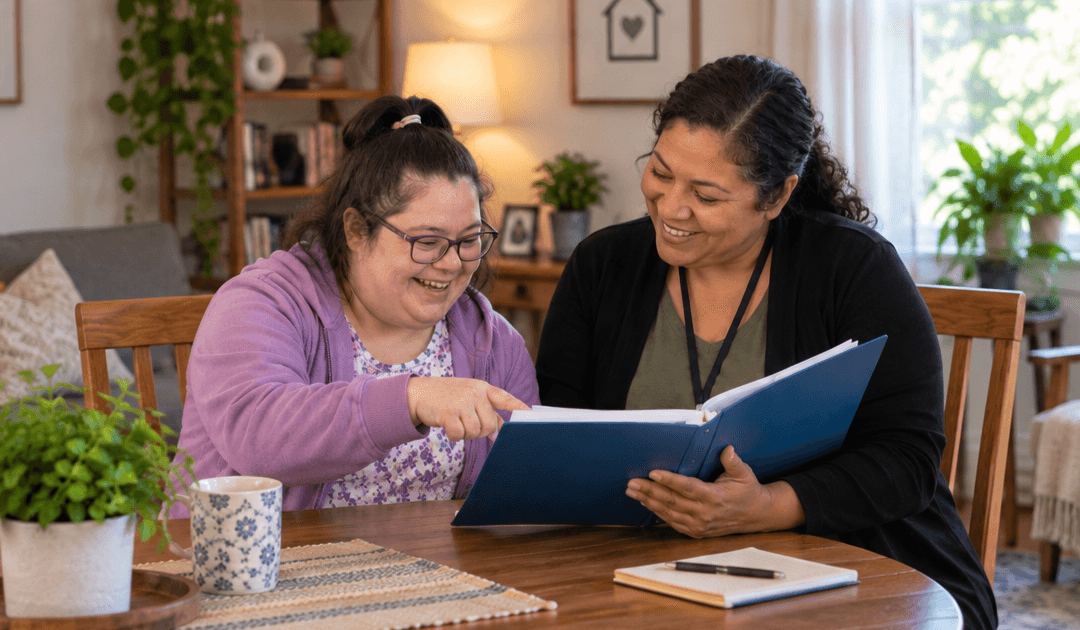
Building a Strong Relationship with Your Regional Center Service Coordinator
If you've attended an Individual Program Plan (IPP) meeting, you've already met one of the most important people on your Regional Center team, your Service Coordinator.
Your Service Coordinator is your primary point of contact at the Regional Center. They help facilitate the IPP process, connect individuals and families with services and resources, coordinate referrals, and work alongside you as your needs change over time. Their role is to help ensure your Individual Program Plan reflects your goals and supports you in achieving them.
Like any successful partnership, building a positive working relationship doesn't happen in a single meeting. It develops through communication, trust, and teamwork throughout the year.
Here are ten practical ways to build a strong, productive relationship with your Service Coordinator.
1. Remember You're on the Same Team
It's easy to think of the Regional Center as simply an agency that approves services, but your Service Coordinator is much more than that.
Their role includes helping you identify your needs, develop meaningful goals, understand available resources, and coordinate services and supports. They also help connect the different parts of the planning process so everyone has a clearer understanding of what the individual is working toward.
Approaching conversations as a partnership often leads to better communication and better planning. That doesn't mean everyone will always agree or that every question will have an immediate answer. It means the conversation stays focused on understanding the individual's needs and identifying appropriate next steps.
A strong working relationship can also make difficult conversations easier. When concerns or changes arise, having an established pattern of respectful communication gives everyone a better starting point for working through them.
2. Communicate Throughout the Year
Many families only contact their Service Coordinator during the annual IPP meeting.
Instead, stay connected whenever something important changes.
Examples include:
- A new medical diagnosis
- Changes in living arrangements
- New employment opportunities
- Concerns with current services
- Safety issues
- Major life events
- New goals
- Changes in support needs
Your IPP can be updated when significant needs or goals change, so you do not always have to wait until your next annual meeting to start a conversation.
Communication doesn't need to be complicated. A phone call or email explaining what has changed, how it is affecting daily life, and what questions you have can help your Service Coordinator understand the situation and determine what may need to happen next.
Keeping your Service Coordinator informed throughout the year also provides a more complete picture of the individual's life. Sometimes several smaller changes together can create a larger need that might not be obvious if the planning team only connects once a year.
3. Be Honest About What's Working, and What Isn't
Your Service Coordinator can only help address problems they know about.
If a service isn't meeting your expectations, a provider isn't a good fit, or your needs have changed, speak up. Sharing both successes and challenges allows your planning team to make informed decisions and discuss adjustments when appropriate.
Try to be specific about what you are experiencing. Instead of simply saying that something "isn't working," explain what is happening, how often it happens, how it affects daily life, and what you hoped the service would accomplish.
It is equally important to share what is going well. If an individual has developed a new skill, become more independent, found a successful routine, or made progress toward a goal, that information helps the planning team understand which supports are working.
Honest conversations give everyone better information to work with and can lead to more meaningful planning.
4. Prepare Before Meetings
Some of the most productive IPP meetings happen because individuals and families spend a little time preparing beforehand.
Consider writing down:
- Questions you want answered
- Progress made since your last meeting
- Challenges you've experienced
- New goals
- Services you'd like to discuss
- Important life changes
It can also help to think about what the individual wants to accomplish during the coming year. Maybe they want to learn to cook, find a job, use public transportation, become more involved in the community, or prepare to live more independently.
Coming prepared helps ensure the meeting focuses on what matters most to you. It also reduces the chance that an important question or concern will be forgotten once the conversation moves to another topic.
You don't need a formal presentation. A simple list of priorities can help keep the conversation focused and make it easier to leave the meeting knowing the most important issues were discussed.
5. Keep Important Documents Organized
Keeping copies of important paperwork makes future conversations much easier.
Helpful documents include:
- Your current IPP
- Assessment reports
- Medical documentation
- School or vocational information
- Service provider reports
- Benefit letters
- Notes from previous meetings
You may also want to keep important emails, referral information, provider contact information, and notes about major changes together.
Having information readily available can help answer questions quickly and reduce unnecessary delays. It can also be helpful when a new provider becomes involved or when you need to remember what was discussed several months earlier.
You don't need an elaborate filing system. A binder, folder, email folder, or organized digital file can work as long as you know where to find the information when you need it.
6. Ask Questions When You Don't Understand Something
Regional Center services can involve unfamiliar terms, acronyms, policies, and processes.
Never hesitate to ask questions like:
- Can you explain that another way?
- What does that term mean?
- Why is that recommendation being made?
- What are our options?
- What happens next?
You can also ask who is responsible for the next step, whether anything is needed from you, and when you should expect another update.
You aren't expected to understand every part of the Regional Center system immediately. Asking questions is an important part of participating in your own planning and making informed decisions about services.
If something is still unclear after a meeting or conversation, follow up. It is better to ask another question than to leave an important issue unresolved because you weren't sure what something meant.
7. Respect Each Other's Time
Service Coordinators often support many individuals and families while coordinating meetings, referrals, reports, and ongoing services.
A few simple habits can help your working relationship:
- Return phone calls when possible
- Respond to emails promptly
- Arrive on time for meetings
- Provide requested paperwork promptly
- Give advance notice if you need to reschedule
Clear communication can help too. If you have several questions, organizing them in one email or keeping a short list for your next conversation can make it easier to address each issue.
At the same time, respecting someone's workload doesn't mean you shouldn't follow up. If a referral, authorization, meeting, or other important issue is pending, it is reasonable to ask for an update.
Mutual respect helps communication stay productive and keeps the focus on the individual's needs.
8. Share Your Vision for the Future
Your Service Coordinator isn't just planning for today. They're helping support where you want to be months and years from now.
Talk openly about goals such as:
- Living independently
- Employment
- Education
- Community involvement
- Transportation
- Friendships
- Volunteer opportunities
- Long-term planning
Even a goal that feels far away can be useful to discuss. Someone who hopes to live independently in the future may need to begin developing cooking, budgeting, transportation, household, and safety skills long before a move actually happens.
The same is true for employment, education, relationships, and community involvement. Larger goals often become more manageable when they are broken into smaller steps that can be worked on over time.
Regional Center planning is intended to be person-centered, meaning the individual's own goals, preferences, strengths, and desired future should help guide the conversation.
Sharing that bigger picture helps your Service Coordinator understand not only what support is needed today, but where you want that support to lead.
9. Remember That Planning Is Ongoing
Your IPP isn't something that gets put on a shelf until next year.
Think of it as a living plan that should continue guiding services throughout the year.
Stay engaged by:
- Reviewing your goals periodically
- Celebrating accomplishments
- Tracking progress
- Identifying new needs
- Discussing adjustments when circumstances change
Pay attention to whether services are actually helping the individual make progress. A support that was appropriate when it began may need to change as someone develops new skills, experiences new challenges, or identifies different priorities.
Progress can also create new opportunities. Learning one skill may make another goal possible, and becoming more independent in one area may allow support to focus somewhere else.
Successful planning is an ongoing conversation, not simply a once-a-year event.
10. Build a Relationship Based on Trust and Respect
One of the most valuable things you can do is build a professional relationship based on open communication and mutual respect.
Trust develops over time. It comes from communicating honestly, following through when information is requested, asking questions when something is unclear, and addressing concerns before they become larger problems.
That relationship doesn't require everyone to agree all the time. There may be situations where individuals, families, providers, and Regional Center staff see an issue differently. Productive relationships allow those differences to be discussed while keeping the individual's needs and goals at the center of the conversation.
Remember that everyone involved ultimately shares an important goal: helping the individual live a safe, meaningful, and fulfilling life.
When individuals, families, Service Coordinators, and providers work together, planning becomes more collaborative and services can remain more responsive as needs and goals change.
Remember: You Are the Expert on Your Life
Your Service Coordinator brings knowledge of Regional Center services, available resources, and the planning process. You bring something equally important: firsthand knowledge of your life, or the life of the person you support.
You know the daily routines, preferences, challenges, successes, relationships, and goals that may not always be visible during an annual meeting. Those experiences and observations are essential pieces of person-centered planning.
The individual should also have opportunities to participate in the conversation as much as possible. Their preferences, choices, goals, and definition of a meaningful life should remain central to the planning process.
You don't need to arrive at every conversation knowing which service or solution is needed. Sometimes your role is simply to explain what is happening, what has changed, and what you hope to accomplish. Your Service Coordinator can bring knowledge of services and resources to that conversation.
The strongest partnerships happen when everyone brings their expertise to the table and works together toward shared goals.
A Helpful Tip
Keep a running list of questions throughout the year instead of trying to remember everything before your annual IPP meeting.
Whether you use a notebook, calendar, email folder, or notes app on your phone, writing things down as they come up makes future conversations much easier and helps ensure important topics aren't forgotten.
You can also keep track of significant changes and accomplishments. If someone learns a new skill, starts a job, experiences a new challenge, changes providers, or begins talking about a new goal, make a quick note.
Before your next conversation with your Service Coordinator, review the list and identify the most important items. If something needs attention sooner, don't wait for the annual meeting to bring it up.
It can also help to end important conversations by confirming the next step. Ask who is responsible, whether anything is needed from you, and when you should expect another update.
Small conversations throughout the year often prevent bigger challenges later.
We're Here to Support You
At New Beginnings for Exceptional People, we believe that successful services begin with strong partnerships. Building a positive relationship with your Service Coordinator can make navigating the Regional Center system easier, improve communication, and help ensure your supports continue to reflect your goals as your life evolves.
Service Coordinators, individuals, families, and providers each bring a different perspective to the planning process. When those perspectives are shared openly, everyone has a better understanding of what the individual needs, what is working, and where additional attention may be needed.
For individuals receiving Supported Living Services or Independent Living Services, that communication can be especially important as skills and circumstances change. Progress toward greater independence may create new goals, while changes in housing, employment, transportation, health, or natural supports may create new needs.
Remember, your Service Coordinator is more than someone who attends your annual IPP meeting. They're an important partner in helping you understand resources, coordinate services, build independence, and work toward the future you envision.
Staying connected throughout the year, asking questions, sharing concerns, and communicating when something changes can help turn the IPP from a document into an ongoing planning process that reflects the individual's real life.